









Learn more about how we customize solutions for brands and how we keep up with the latest trends
contact us
Collagen is one of the most important components for maintaining healthy, youthful skin. It gives the skin elasticity and firmness, acting as a "deep reservoir" to provide moisture to the epidermis. The loss of collagen directly leads to skin aging.
Small-molecule collagen, created by screening the key active regions of collagen, retains its natural efficacy even after fragmentation. It overcomes the challenge of transdermal absorption, allowing skin vitality to be revitalized from within through topical application.


Targeted elimination of senescent cells
Anti-aging
Wrinkle smoothing
Skin firming

Scalp Care Collagen
Anti-hair loss
Activates hair follicle stem cells

Soothing, repairing, and anti-aging
Soothing
Repairing
Anti-aging
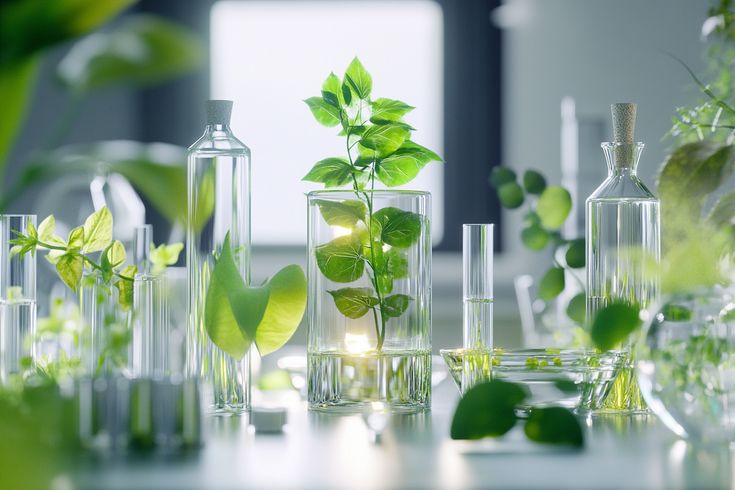
The efficacy of natural plant-derived ingredients is well-proven in skincare and widely recognized by the market. However, traditional extraction methods are neither low-cost nor sustainable. We integrate science and nature through biotechnology, using plant-based cell culture to drive innovation, enable large-scale production and lower costs. This allows us to deliver active ingredients that combine performance with sustainability.
more

Gentle renewal peel
Chemical exfoliation
Stratum corneum exfoliation
Gentle skin resurfacing

Soothing and repairing
Oil control
Soothing

Antioxidant, anti-aging skin care
Anti-oxidation
Anti-carbonylation
Anti-glycation

Skin renewal & Soothing Repairing
Skin renewal
Soothing Repairing
Collagen is one of the most important components for maintaining skin health and a youthful state. It is also the most abundant protein in the human body. To date, 28 types of collagen have been identified in the human body, and collagens of different types have diverse functions. The best - known type I and type III collagens belong to fibrillar collagens. They work in the dermis to maintain the normal tissue structure of the skin.
At the same time, we have explored type XVII collagen, a newly recognized collagen. As a transmembrane collagen, it can transmit signals to regulate autophagy, which is critical for maintaining the young and healthy state of the skin.
more
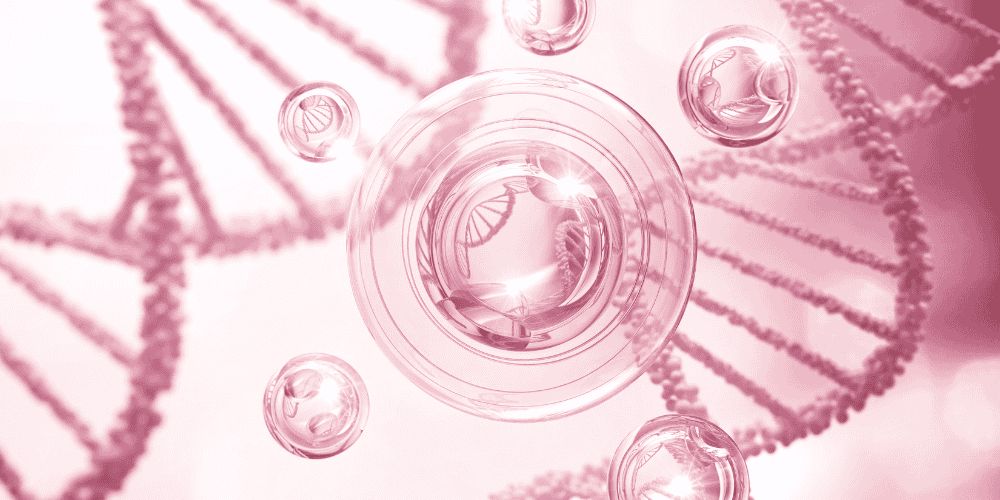
Synthetic biology has revolutionized small-molecule drug production and spurred a new generation of cell and gene therapies. By designing tailored therapeutic genetic circuits, it has delivered novel strategies for healthcare, driving a paradigm shift in the field.
The development of synthetic biology can help discover key genetic elements for the synthesis of animal and plant nutrition as well as functional components. It enables the combination of genes across species, uses artificial components to engineer synthetic pathways, optimizes and coordinates the expression of proteins in synthetic pathways, constructs new cellular factories, and revolutionizes current food processing and production methods.
Synthetic biology will transform and even revolutionize traditional agricultural production methods, helping to enhance agricultural productivity, improve crops, reduce production costs, and achieve sustainable development. It can also engineer photosynthesis in plants to boost agricultural yields, leverage microorganisms or metabolic engineering approaches to reduce the use of chemical fertilizers, and reshape metabolic pathways to improve crops—thereby driving breakthrough growth in both the productivity of agricultural products and their nutrient content.